Natural Earth Dyeing, Refined Hemp Thread Making, Makomo Reed Mat Weaving, Japanese Sewing and Incense Making
Mount Fuji Cultural Craft Workshop & Experiences

● Within walking distance of Lake Kawaguchiko, at the foot of Mt Fuji
● Held daily from 12:00–5:00 pm (5-hour experience)
● Five traditional craft experiences inspired by the connection between Shinto and Buddhism
● Create five original Japanese handcrafted keepsakes to take home
● Enjoy complimentary Yamanashi confectionery and receive two rare handcrafted souvenirs made by local artisans
Confirmation of Consent
By completing your reservation, you agree to the disclaimer above and the separately stipulated cancellation policy.
Cancellation Policy
- Cancellation Fees
- More than 30 days before the programme start date: Full refund of the participation fee.*
- 15 to 30 days before the programme start date: 50% refund of the participation fee.*
- 14 days or less before the programme start date, including no-shows: No refund.
* A 3.6% payment processing charge will be deducted from all refunds.
- Rescheduling
If you notify us at least 16 days before the event date, you may reschedule your booking once.
The new booking date must be within 20 days of the original event date.
A rescheduling fee of 30% of the participation fee will apply.
Please submit your request using our contact form. Your rescheduling request will be confirmed once we have replied. We aim to respond within 24 hours. If you do not receive a reply within that time, please contact us again.
- Cancellation by the Organiser
If the workshop is cancelled by the organiser for any reason other than force majeure (including, but not limited to, severe weather, natural disasters, or infectious disease outbreaks), the participation fee will be refunded in full.
- Cancellation Requests
To cancel your booking, please contact us using our contact form.
Disclaimer
By registering for the Japanese cultural experience "Mount Fuji Cultural Craft Workshop & Experiences" (the "Workshop") organised by Kototama Inc. (the "Organiser"), you acknowledge that you have read, understood and agree to the following terms and disclaimer.
- Article 1 – Participation at Your Own Risk
Participation in the Workshop is entirely voluntary and at the participant's own discretion and risk.
Participants are responsible for deciding whether they are fit to participate, taking into account their physical condition, health, allergies, pre-existing medical conditions and any other relevant circumstances.
- Article 2 – First Aid and Medical Assistance
The Organiser will keep a basic first-aid kit (including disinfectant, adhesive plasters, eyewash and other basic supplies) at the venue and will provide basic first aid for minor injuries where reasonably possible.
The Organiser is not a medical institution, and no doctor, nurse or other medical professional is permanently present at the venue.
In the event of an emergency, the Organiser will use reasonable endeavours to direct participants to a nearby medical facility or arrange emergency medical assistance (including dialling 119 where appropriate).
Any medical expenses, treatment costs, transport costs or any other expenses arising from illness, injury or deterioration in health during or after participation in the Workshop shall be borne by the participant.
Visitors to Japan are strongly encouraged to obtain comprehensive travel insurance, including medical expense cover.
- Article 3 – Risks and Safety Measures
### Natural Earth Dyeing Experience
- Risks
Natural indigo dye may come into contact with the eyes.
Natural indigo dye may stain skin or clothing. Although it is generally harmless to the skin, allergic reactions may occur in rare cases.
- Safety Measures
Protective glasses (ordinary sunglasses may also be used) are available free of charge for participants who wish to protect their eyes.
Latex-free nitrile gloves are provided free of charge for participants wishing to avoid skin contact.
Clean running water is available for rinsing the eyes if indigo dye comes into contact with them.
Participants are strongly advised to wear clothing that they do not mind getting stained.
### Refined Hemp Experience
- Risks
Asa and Makomo are natural plant materials, and allergic reactions may occur in rare cases.
Plant fibres may cause minor scratches or irritation to the hands.
- Safety Measures
Lightweight cotton gloves are available upon request.
Participants with known skin or plant allergies should declare them in the "Allergies / Concerns" section of the booking form before attending.
Disinfectant and adhesive plasters are available at all times.
### Japanese Sewing Experience
- Risks
Sewing needles are used during the experience, and there is a risk of minor finger injuries.
- Safety Measures
Thimbles are provided for all participants and their use is recommended.
The instructor will explain the safe handling of sewing needles before the experience begins.
Should a minor finger injury occur, disinfectant and adhesive plasters will be provided.
A magnetic needle picker is available should a needle be accidentally dropped.
### Incense Making Experience
- Risks
Strong fragrances from incense ingredients may cause adverse reactions such as headaches or nausea.
Participants who are sensitive to fragrances or who are pregnant should exercise particular caution.
Allergic skin reactions may occur in rare cases if certain incense ingredients come into contact with the skin.
- Safety Measures
The room will be adequately ventilated throughout the experience.
Participants who feel unwell should inform the instructor immediately. A separate resting area is available if required.
A list of the incense ingredients used during the experience will be emailed after the booking has been confirmed.
Participants with fragrance allergies are encouraged to review the list in advance.
### Refreshments
- Risks
Light refreshments featuring local specialities from Yamanashi Prefecture may be served.
Participants with food allergies must declare them when making their booking.
Although every reasonable precaution will be taken, the complete absence of trace allergens cannot be guaranteed.
- Safety Measures
Ingredient information is available upon request before the Workshop.
- Article 4 – Health
ConditionsParticipants are advised to consult their doctor before participating if any of the following apply:
- Pregnancy or breastfeeding
- Heart disease, respiratory disease, skin conditions, allergies or other medical conditions
- Mental health conditions, dementia or any condition requiring support
- Any other health concerns which may affect safe participation
- Article 5 – Liability for Damage Caused by Participants
Participants shall be responsible for any loss or damage caused to other participants, instructors, third parties, facilities, equipment or property through their intentional acts or negligence.
- Article 6 – Photography and Video Recording
The Organiser may photograph or film the Workshop for promotional purposes.
Where participants may be identifiable, their prior consent will be obtained before any photographs or video recordings are used.
Participants are welcome to take photographs and videos for personal use, provided that the privacy of other participants is respected.
- Article 7 – Limitation of Liability
The Organiser shall not be liable for:
- Any loss, damage or disruption arising from force majeure events beyond the Organiser's reasonable control, including adverse weather, natural disasters, transport disruption or power failures.
- Any illness, injury or other issues arising from allergies, medical conditions or other circumstances that were not disclosed by the participant before the Workshop.
- Any accident, injury, loss or theft occurring while travelling to or from the venue.
- Article 8 – Governing Law and Jurisdiction
This Disclaimer shall be governed by and construed in accordance with the laws of Japan.
Any dispute arising out of or in connection with the Workshop shall be subject to the exclusive jurisdiction of the Kofu District Court as the court of first instance.
Experience Overview
12:00 PM|Introduction: The History and Spirit of Fuji Worship
Begin with an introduction to the historical and cultural foundations of the experience. Through five traditional Japanese crafts rooted in reverence for Shinto and Buddhism, discover a uniquely Japanese worldview in which spirituality and physicality are inseparable. Working respectfully with natural materials without waste, and learning refined movements developed to place minimal strain on the body, reveals craftsmanship that is not merely technique, but culture itself. Journey beyond sightseeing and discover the true essence of Japan.
12:10 PM|#1 Natural Earth Dyeing
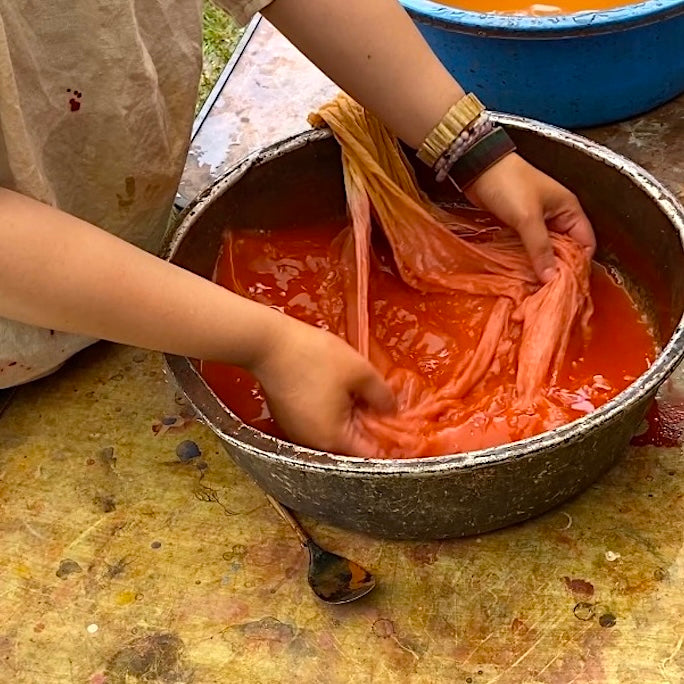
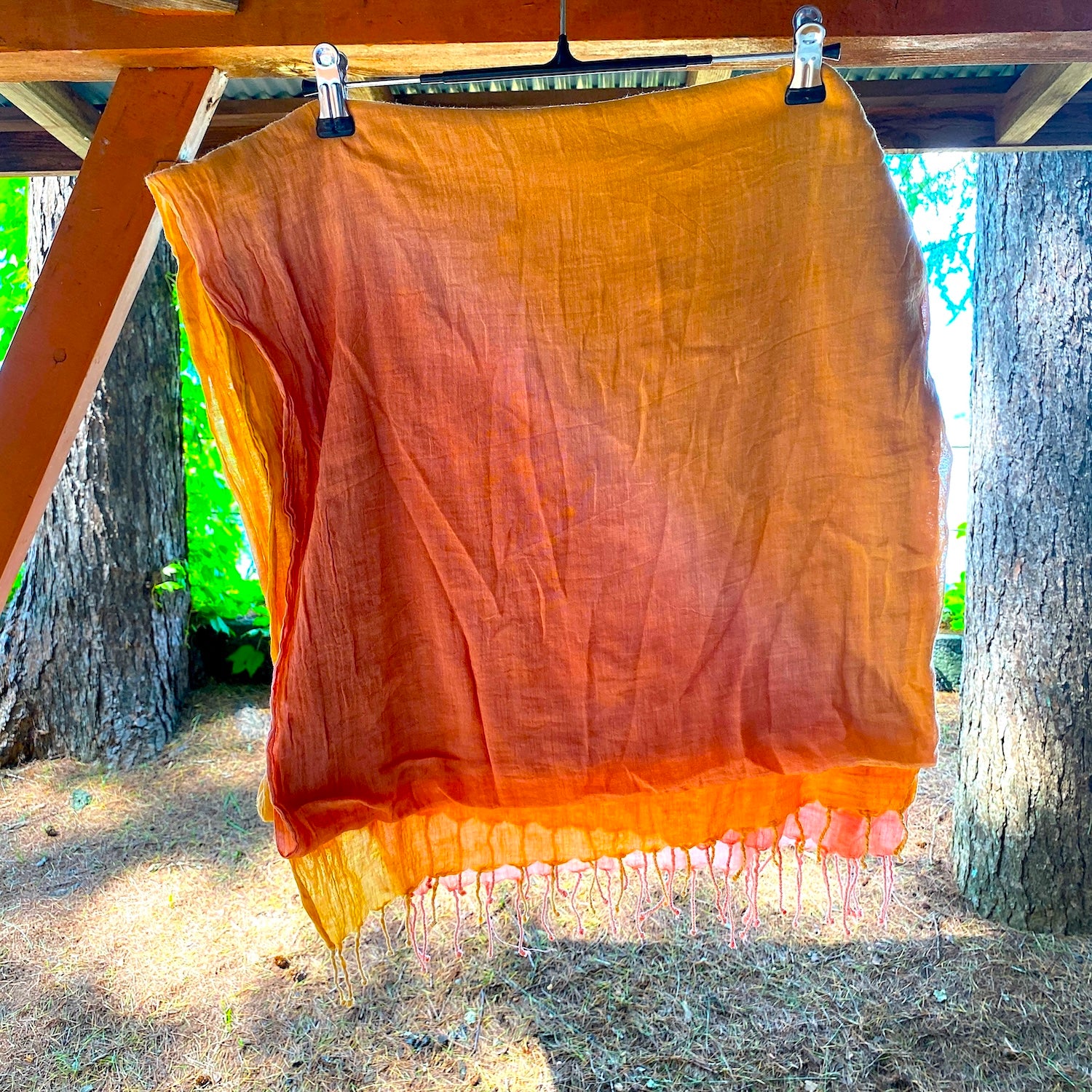
Using completely natural Bengala pigment made from the earth of the foothills of Mt. Fuji and dissolved in pristine spring water drawn from the mountain's natural springs, you will work the dye by hand into hemp or cotton fabric. Create two handkerchief-sized pieces of fabric (16 × 16 inches / approx. 40.6 × 40.6 cm), blending multiple natural pigments to produce entirely original designs.
1:00 PM|#2 Twisting Thread from Refined Hemp Fibre
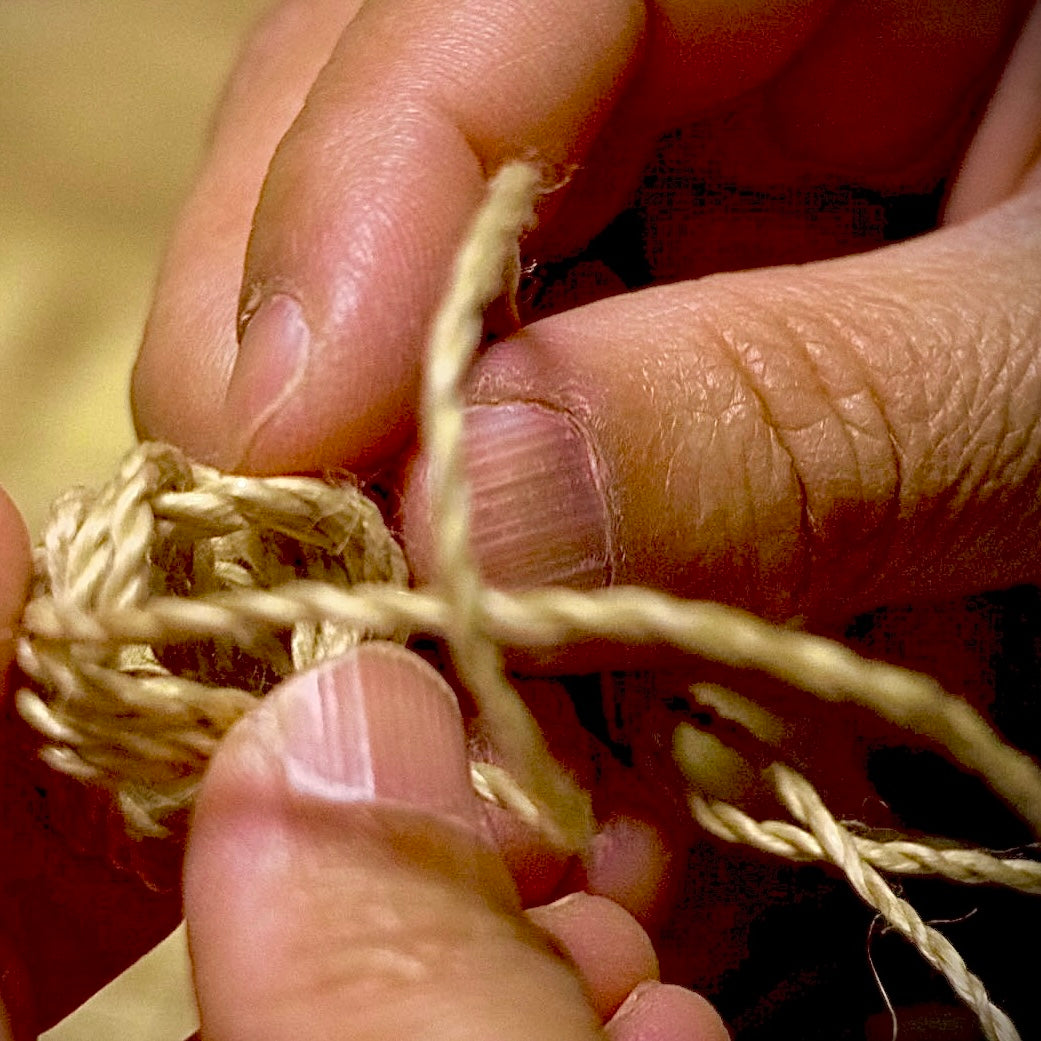
Using the refined hemp fibre commonly seen at Japanese shrines, you will gently twist the fibres with your fingertips into a single elegant cord. As you repeat this remarkably simple twisting motion, a specialist in brain function and human movement will guide you in releasing unnecessary tension throughout your body, allowing stiffness in the shoulders and lower back to ease naturally. The finished cord will later be used to tie your handcrafted scented sachet during Experience #5.
2:00 PM|#3 Makomo Reed Mat Weaving
Using makomo reeds, traditionally regarded in Japan for their purifying qualities and grown in pristine water, together with a reed-weaving loom faithfully recreated from those used at some of Japan's most iconic shrines, you will weave a 6 × 4 inch (approx. 15.2 × 10.2 cm) mat. It is ideal as an elegant wall hanging or as a display mat for jewellery and other cherished items.
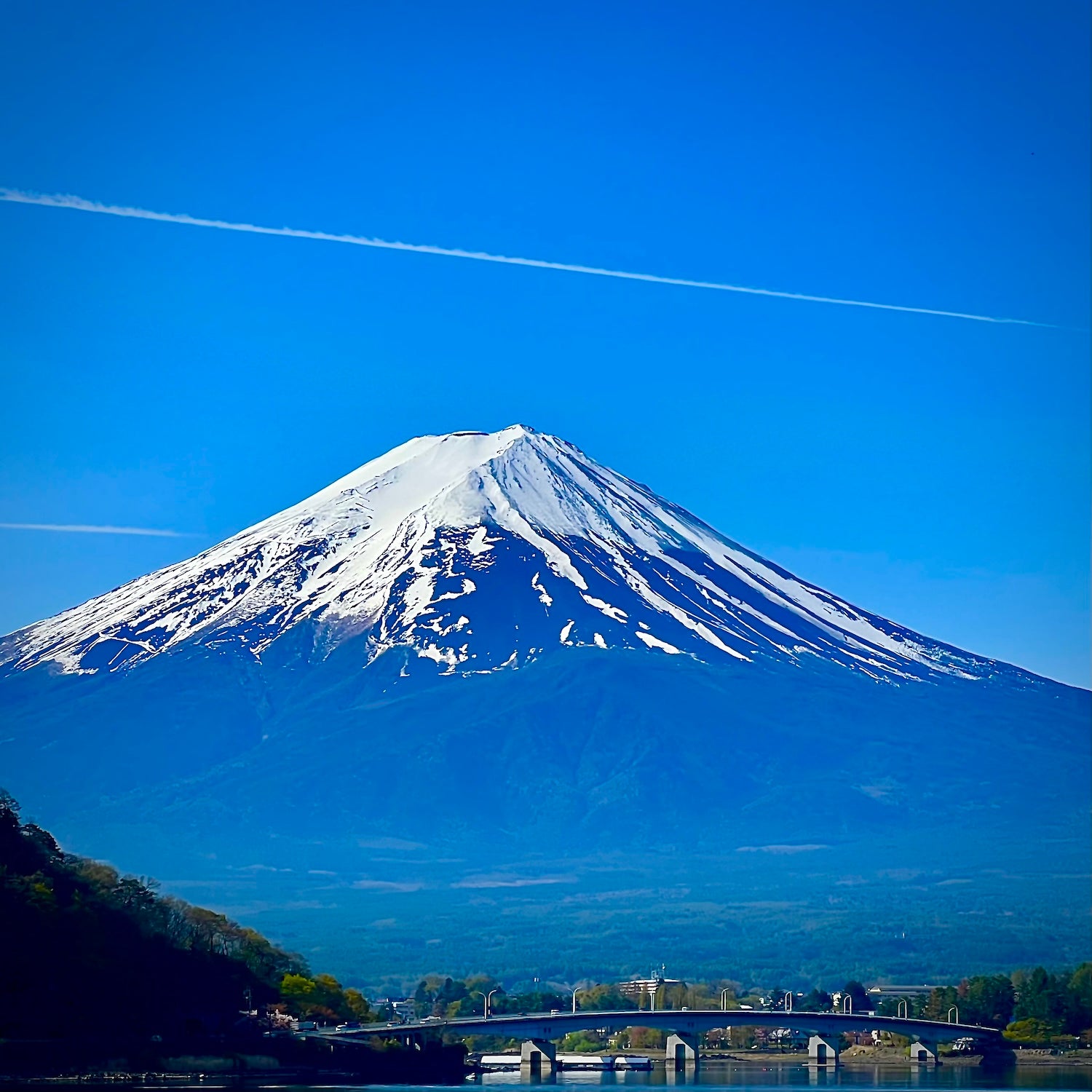
2:45 PM|A gift from the foot of Mt. Fuji: Yamanashi’s finest traditional confection
Relax over a selection of regional delicacies from Yamanashi. A historian with exceptional knowledge of Japanese history, who has extensively visited shrines and temples throughout Japan, will also be pleased, wherever possible, to answer more in-depth questions about Japanese history, Shinto and Buddhism.
3:15 PM|#4 Hand Sewing a Japanese Pouch
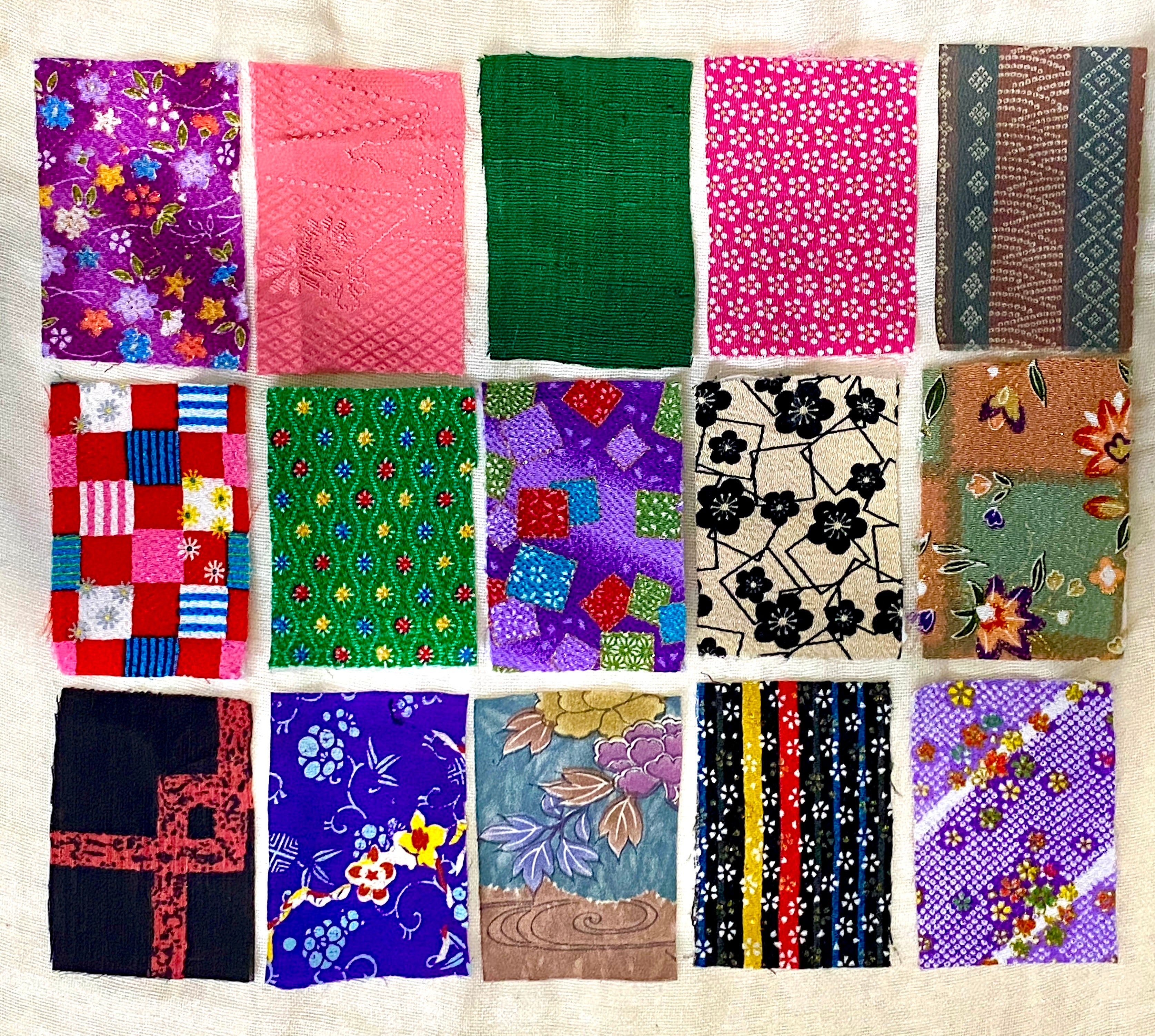
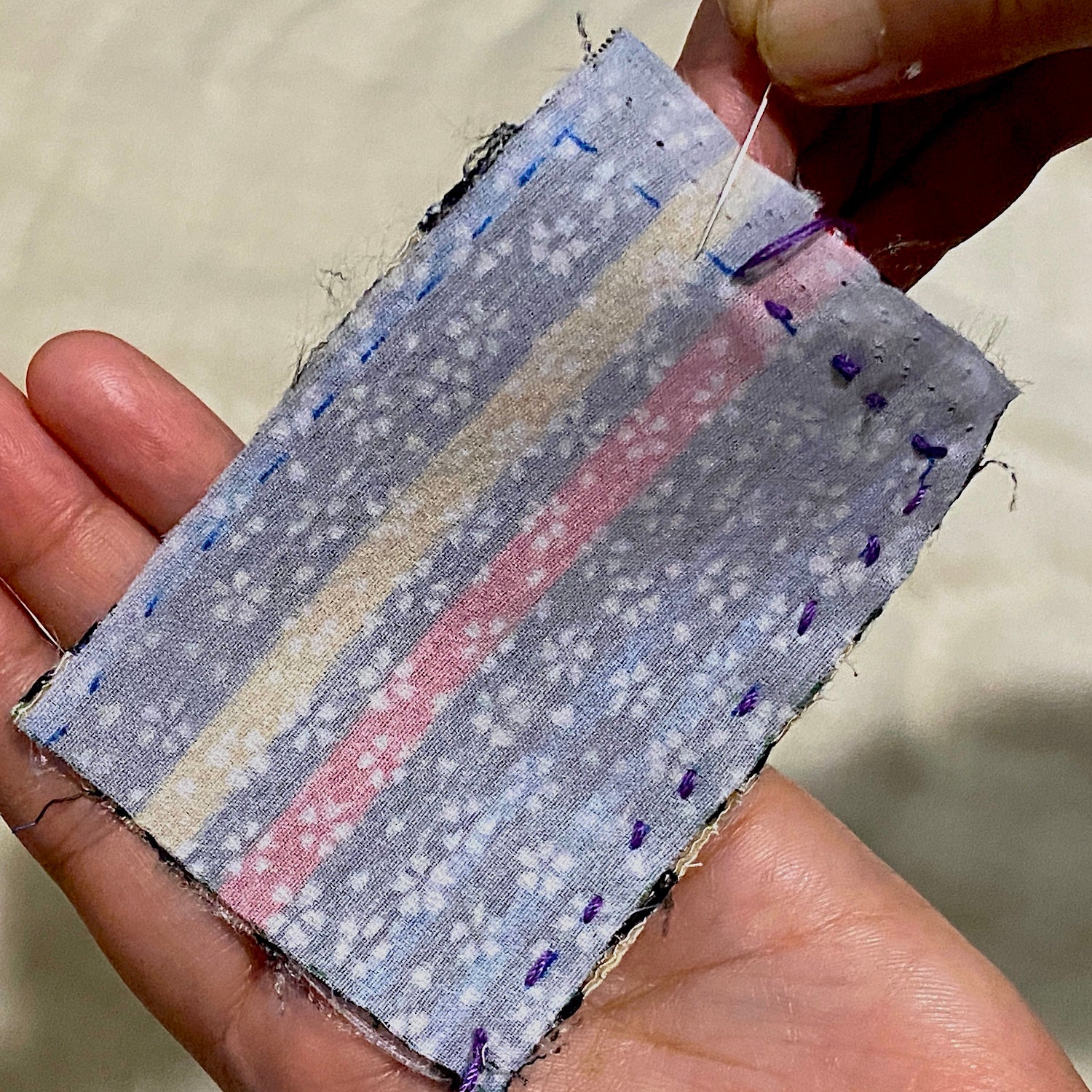
Choose two different fabrics—one for the front and one for the back—from an abundant selection of colours, patterns and textures. Using a needle and thread, you will sew them together to create your own scented sachet. During the final Experience #5, it will be filled with the aromatic ingredients you blend yourself.
4:00 PM|#5 Blending Natural Incense Ingredients for Your Scent Sachet
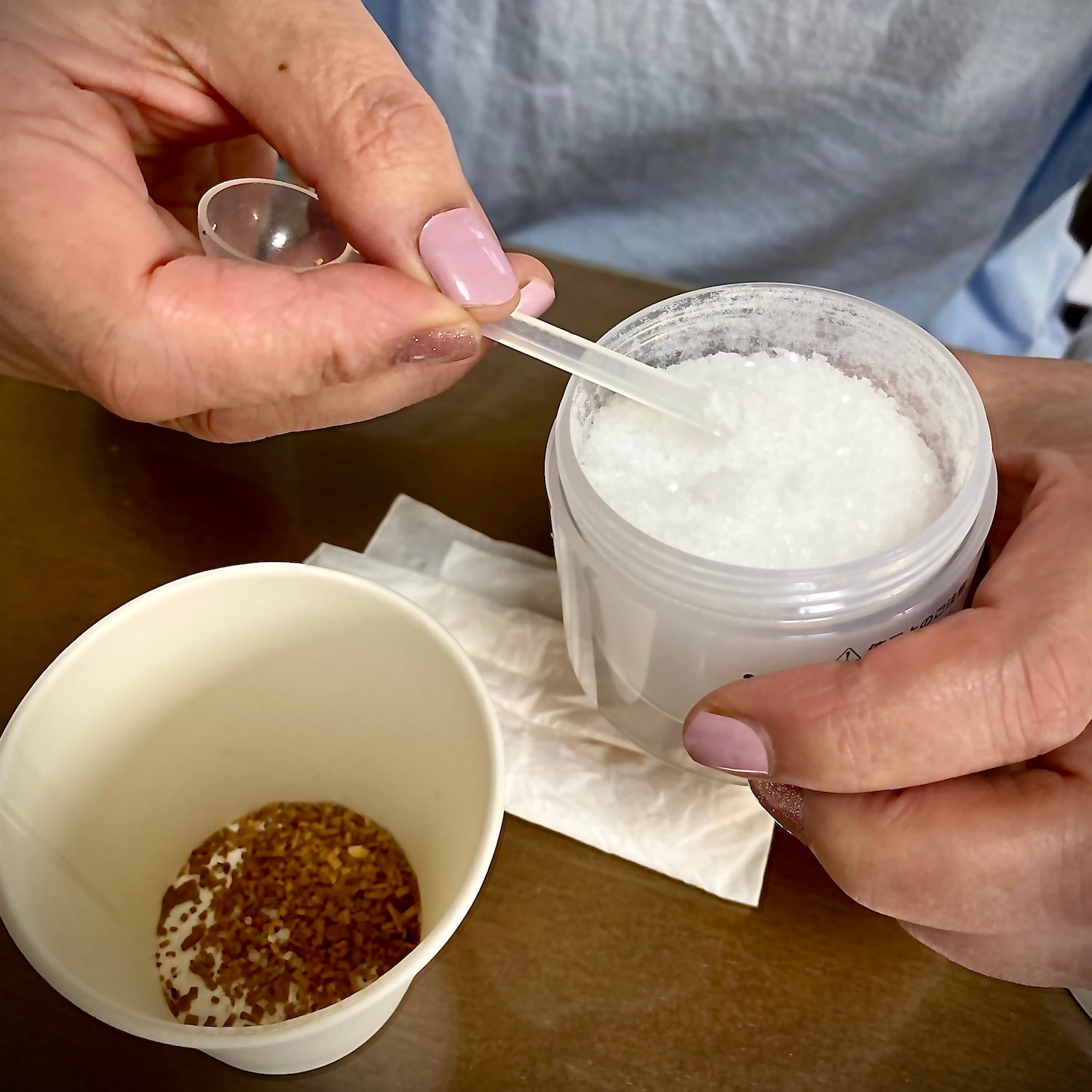
Led by an incense master who has trained more than 30,000 instructors, you will be introduced to the traditional Japanese art of blending aromatic ingredients. Using around 15 varieties of premium, completely natural aromatic ingredients and following time-honoured techniques, you will create two entirely original fragrance blends. Each blend will then be placed into its own scented sachet.
4:45 PM|Ending: Discovering You & Each Other — Through Scent
The charming scented sachets you have sewn yourself, each featuring different fabrics on the front and back, are truly one of a kind in both appearance and fragrance. As you reflect on a memorable afternoon spent together in the foothills of Mt. Fuji, gain a deeper appreciation of your fellow participants through the fragrances they have created, sharing your sense of achievement and the emotions inspired by the experience as it draws to a close at 5:00 pm.
Your Experience
Visitor Information
Throughout the Experience
- Expert English-language guidance throughout the experience from specialists in Japanese history, neuroscience and human movement science.
- An easy-to-follow instructional video, together with step-by-step printed guides in English and Traditional Chinese.
- Complimentary high-speed Wi-Fi at the venue.
- Clean and well-maintained restroom facilities.
- Fresh drinking water drawn from the natural springs of the Mt Fuji foothills.
- Complimentary storage space for coats, bags and personal belongings.
- A calm, intimate setting designed for small groups, allowing for personalised guidance and an unhurried experience.
- On clear days, enjoy beautiful views of the iconic Mt Fuji throughout the experience.
What You'll Create and Take Home
- #1 NATURAL EARTH DYEING
Create two premium hemp or cotton cloths (16 × 16 inches / approximately 40.6 × 40.6 cm each), hand-dyed with completely natural Bengala earth pigments from the foothills of Mt Fuji. Blend natural pigments freely to create your own unique colours and flowing gradients.
- #2 TWISTING THREAD FROM REFINED HEMP FIBRE
Hand-twist approximately 20 inches (around 50 cm) of refined hemp thread for use later in Experience #5.
- #3 MAKOMO REED MAT WEAVING
Create a handcrafted Makomo reed mat measuring approximately 6 × 4 inches (15.2 × 10.2 cm). Makomo has long been regarded in Japan as a sacred plant symbolising purification and harmony.
- #4 JAPANESE SEWING
Sew two handmade Japanese sachets using premium Japanese fabrics of your choice. Select different fabrics for the front and back of each sachet to create two completely one-of-a-kind designs.
- #5 INCENSE MAKING
Blend two original fragrances from approximately fifteen varieties of premium natural aromatic ingredients using traditional techniques handed down through generations. Each fragrance is sealed inside one of the sachets you have sewn, creating two unique scented keepsakes to take home.
- SOUVENIR PREPARED BY OUR ARTISAN — 1
15 Artisan-made Cone Incense Pieces in Your Favourite Fragrance
Choose any combination of up to fifteen cone incense pieces from three fragrances carefully prepared by our incense master.
- SOUVENIR PREPARED BY OUR ARTISAN — 2
A Sacred Refined Hemp Charm with Your Choice of Japanese Gemstone
Select your preferred gemstone from a carefully curated collection of Japanese gemstones. Your sacred hemp charm will be handcrafted exclusively for you.
Venue | 6-Minute Walk from Kawaguchiko Station
The venue is a 6-minute walk from Kawaguchiko Station.
For the privacy and security of the venue, the full address will be provided once your booking has been confirmed.
Experience Highlights
Good to Know
- All tools and materials are provided.
- Small-group experience with personalised guidance throughout.
- Expert guidance and lectures are provided entirely in English.
- Held indoors, allowing the experience to take place comfortably in all weather conditions.
- Suitable for complete beginners—no previous experience is required.
- All handcrafted creations can be taken home on the day.
- The naturally dyed cloths will continue drying after the workshop; simple instructions for transporting and caring for them will be provided.
- Complimentary Wi-Fi, refreshments and restroom facilities are available at the venue.
What to Bring
- Comfortable clothing suitable for hands-on craft activities.
- Clothing that you do not mind getting lightly stained during the Natural Earth Dyeing experience.
- A smartphone or camera if you wish to photograph your creations and the workshop.
- Reading glasses, if required for detailed handcraft work.
Accessibility & Visitor Information
- Age Requirements
There is no formal age restriction for this experience.
Children who are too young to participate independently are welcome to accompany a participating parent or guardian, provided they remain under the adult's close supervision.
As space is limited, we kindly ask that adults who are not taking part in the experience do not accompany participants.
- Pets
Pets are not permitted.
If you will be accompanied by a guide dog or registered assistance dog, please contact us in advance via the contact form so that we can make the necessary arrangements.
- Accessibility
If you have any accessibility requirements or require additional assistance, we would be delighted to discuss how we can best accommodate your visit. Please contact us before making your reservation.
The workshop is held on the ground floor, and we will do our utmost to make the experience as comfortable as possible wherever reasonably practicable. As the activities involve handcraft work using needles, natural dyes and aromatic ingredients, certain adjustments may be limited.
We encourage you to contact us in advance so that we can discuss your individual requirements and make appropriate arrangements wherever possible.
The Story Behind the Five Crafts
#1 Natural Earth Dyeing
Bengala is regarded as one of humanity's oldest natural pigments. In Japan, it has been used since the Jōmon period (c. 13,000 BC–300 BC), appearing on earthenware vessels as well as the walls of ancient burial mounds. Its rich red hue is believed to have been cherished by ancient people as a symbol of vitality and as a colour that offered protection against misfortune.
Mt Fuji, too, has never been regarded simply as a beautiful mountain. For the Japanese people, it has long embodied both the overwhelming force of volcanic eruptions and the abundant blessings of pure spring water and fertile land. Revered as a sacred mountain, it has been a place of prayer and pilgrimage for more than a thousand years, visited by shugendō practitioners—ascetic mountain devotees who sought spiritual discipline through nature—as well as countless pilgrims and ordinary people.
The earth and water bestowed by Mt Fuji come together in your hands as they are transformed into a single piece of cloth. In this quiet process, your own experience resonates with the centuries of prayer and devotion that have shaped the relationship between the mountain and those who have lived in its presence.
The subtle variations in colour, the gentle gradations and the unique patterns that emerge are the natural expression of your dialogue with the materials. Rather than striving for perfect uniformity, allow yourself to release unnecessary tension. Bring your awareness to your body—from the soles of your feet to your back and fingertips—and notice where you may be holding excess force.
For generations, Japanese craftspeople have refined not only technical skill, but also a way of using the body that never imposes itself upon nature. This first experience offers an introduction to that philosophy—a gateway to understanding Japanese culture not simply through knowledge, but through the wisdom of your own hands and body.
This first experience serves as the gateway to the four crafts that follow, inviting you to discover Japanese culture through your own body rather than through knowledge alone.
#2 Twisting Thread from Refined Hemp Fibre
Refined hemp fibre (seima) is one of the most sacred plant materials in Shinto, Japan's indigenous spiritual tradition. Even today, it continues to be used at Ise Grand Shrine and countless other shrines throughout Japan in sacred objects such as Jingū Taima (consecrated talismans from Ise Grand Shrine), ōnusa (purification wands used in Shinto rituals), and shimenawa (sacred hemp or straw ropes that mark the boundary between the sacred and the everyday world). Through centuries of tradition, refined hemp has remained an essential material for preparing and purifying spaces for ritual and worship.
In this experience, you will twist individual hemp fibres together by hand to create the cord that will later be used to tie your handcrafted scented sachet. As you repeat the remarkably simple act of twisting, gradually refining your technique, unnecessary tension naturally begins to leave the body, allowing stiffness in the shoulders and lower back to soften.
Throughout the process, a specialist in both Western and Eastern movement science will carefully observe the way you move, gently guiding you towards the most natural and effortless use of your body. Rather than attempting to dominate their tools or materials, Japanese craftspeople have traditionally worked by responding to the subtle feedback each material offers—the slightest tension, resistance and suppleness perceived through the fingertips.
This quiet practice of twisting thread is therefore far more than a craft technique. It is an opportunity to cultivate the refined bodily awareness that has long been shared across Japan's traditional crafts, where true mastery begins not with controlling nature, but with learning to move in harmony with it.
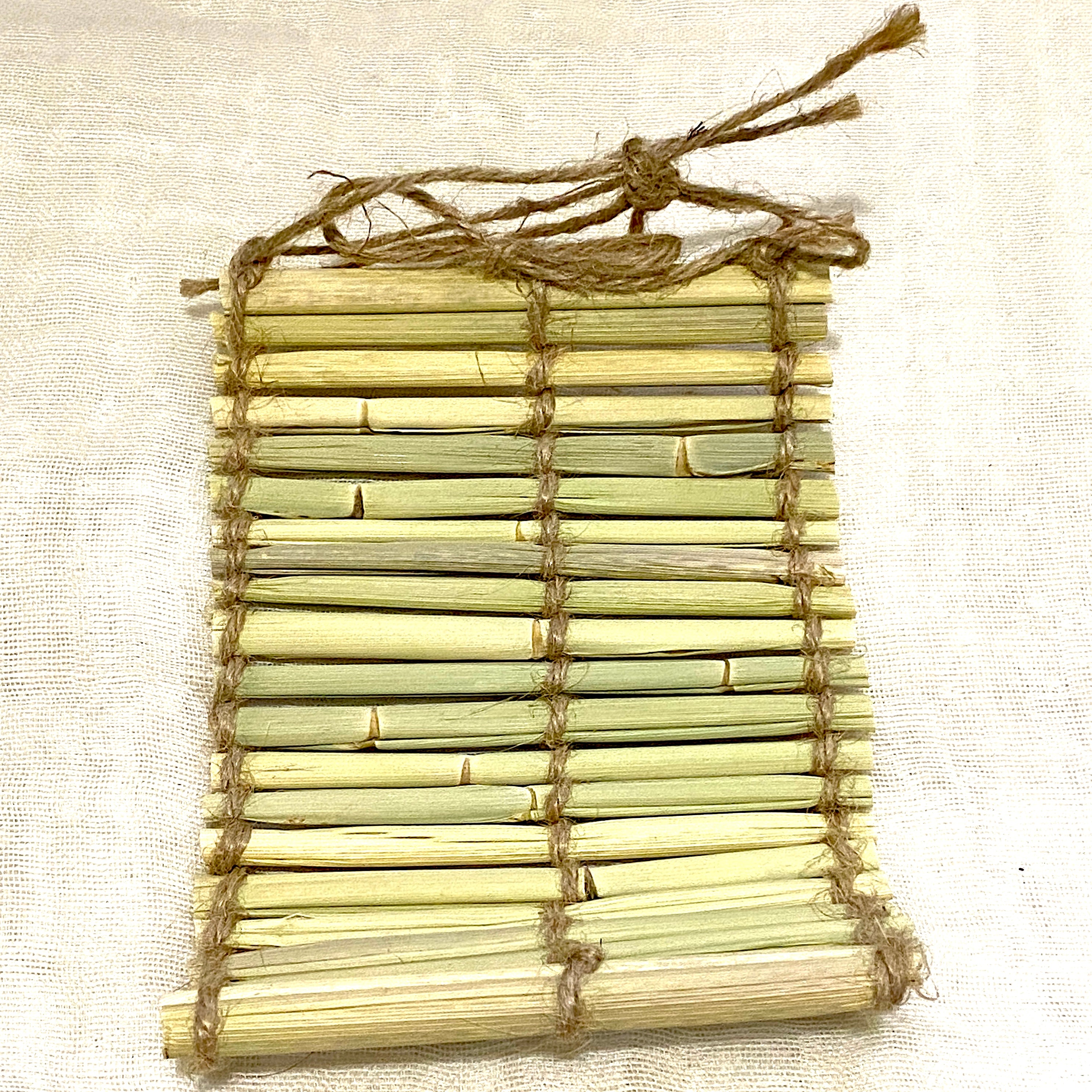
#3 Makomo Reed Mat Weaving
For centuries, Makomo (wild rice reed) has been regarded in Japan as a plant of purity and spiritual significance. At Izumo Taisha, one of Japan's oldest and most revered Shinto shrines, the Ryōden-sai ceremony—often known as the Makomo ritual—is still observed today. During this sacred rite, Shinto priests carefully lay fresh Makomo reeds one by one before the Kuni-no-Miyatsuko (the hereditary chief priest of Izumo Taisha) walks across them, symbolically purifying the sacred space.
Since ancient times, the Japanese have tended to view nature not as something to conquer, but as a presence that sustains human life. Just as Mt Fuji has long been revered as both a source of immeasurable blessings and an awe-inspiring force of nature, Makomo has likewise been valued as a plant of purification, flourishing in the rich yet demanding environment of Japan's wetlands.
As you tighten each warp thread and gradually weave your mat, you may notice a familiar sensation—one that echoes the experience of twisting refined hemp fibre. This is no coincidence. It reflects a way of using the body that has been quietly shared across generations of Japanese craftspeople, regardless of their particular craft.
No two reeds are ever identical. Each differs subtly in thickness, texture and flexibility. Rather than forcing every strand into uniformity, you will learn to accept these natural variations, adjusting your touch in response to what each material reveals. Within this gentle dialogue between hand and material lies the quiet humility that runs through the heart of Japanese craftsmanship.
As the small mat gradually takes shape in your hands, you will experience a philosophy of making in which beauty and practical use are inseparable. This understanding—that the objects of everyday life can possess profound beauty precisely because they are made to be used—was introduced to the world in the twentieth century by the Japanese philosopher Sōetsu Yanagi, who described it as The Beauty of Use (yō no bi). Today, it remains one of the defining ideas of Japanese craftsmanship.
#4 Hand Sewing a Japanese Pouch
The wisdom of using a single piece of cloth with as little waste as possible grew from a distinctly Japanese belief: that the gifts of nature should be cherished and used to their fullest potential. Wasai—the traditional craft of tailoring Japanese garments—embodies this philosophy. Rather than cutting away more fabric than necessary, garments are constructed so that they can, if carefully unpicked, be returned to a single piece of cloth. Within this remarkable structure lives a deep respect for natural materials and a desire to honour every gift received from nature until the very end of its life.
In this experience, you will choose two different Japanese fabrics for the front and back of each scented sachet, creating two pieces that are uniquely your own. You are, of course, free to select the same fabric throughout. Yet by deliberately combining contrasting patterns, each sachet acquires a character that can never be repeated—a truly one-of-a-kind creation.
The pace at which you guide the needle and the gentle tension with which you draw the thread are unique to you. These subtle differences give rise to expressions that no machine could ever reproduce. Such individuality quietly reflects the Japanese appreciation of ichigo ichie—literally, "one time, one meeting"—the understanding that every encounter and every moment is unrepeatable, and therefore worthy of being treasured.
The sachets you sew will become the vessels that receive the natural materials encountered throughout the earlier experiences, before finally embracing the fragrance you create yourself. The quiet act of stitching them by hand brings these gifts of nature together into a single form, revealing the very essence of Japanese craftsmanship—where respect for materials, thoughtful hands and everyday beauty exist in perfect harmony.
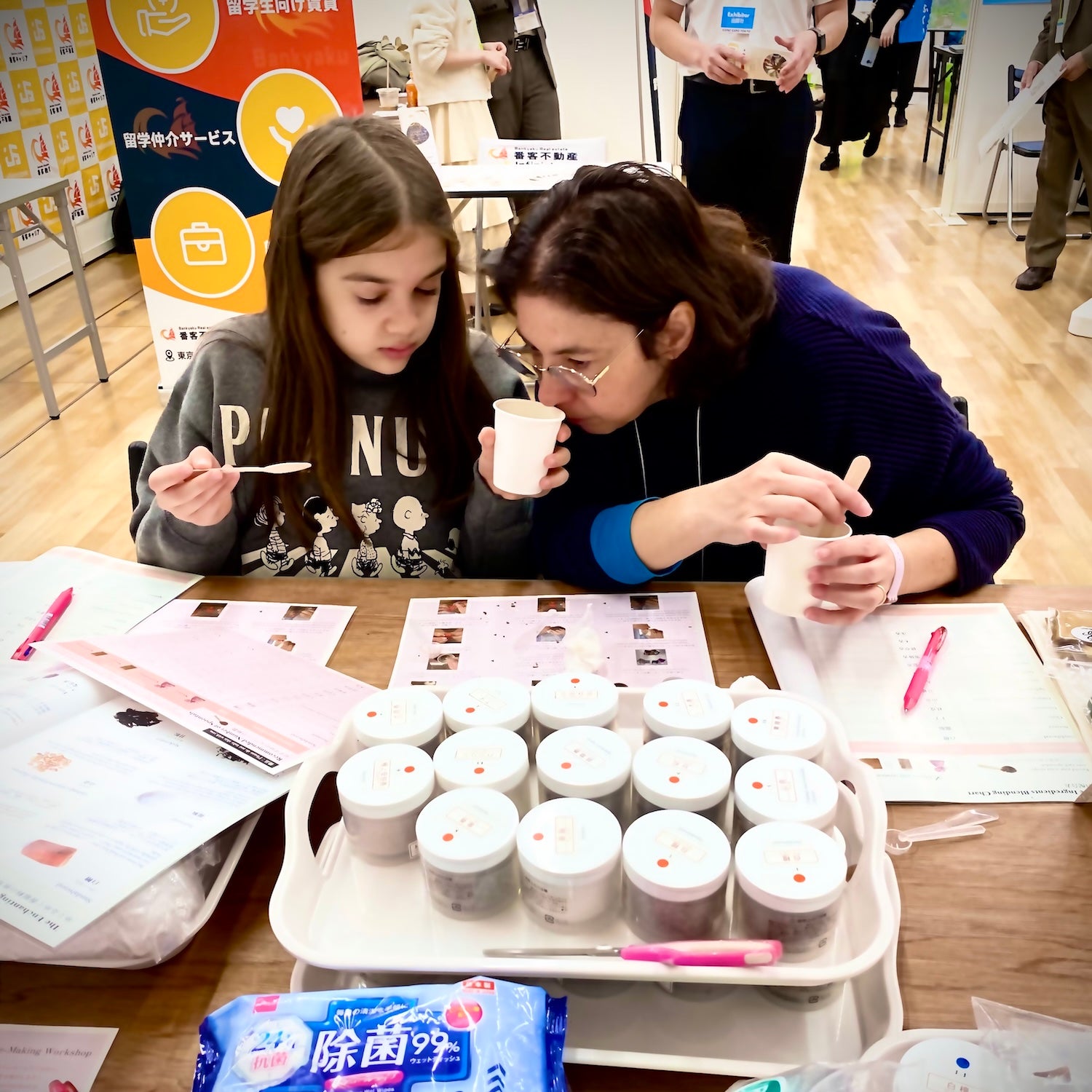
#5 Blending Natural Incense Ingredients for Your Scent Sachet
For centuries, Shinto and Buddhism have coexisted in Japan, shaping one another and giving rise to a distinctive cultural tradition. The culture of fragrance likewise flourished within this rich spiritual landscape. Rooted in the incense culture introduced alongside Buddhism, the enjoyment of fragrance gradually extended beyond temples into the imperial court, the samurai class, and eventually the everyday lives of ordinary people. The nioibukuro—a traditional Japanese scented sachet filled with natural aromatic ingredients and carried discreetly inside clothing or among personal belongings—has been treasured ever since as one of Japan's most elegant cultural traditions.
In this experience, you will blend two original fragrances from approximately fifteen varieties of natural aromatic ingredients. Even when the same materials are selected, the fragrance changes remarkably with the slightest variation in proportion or balance, resulting in a composition that is entirely your own.
Underlying this tradition is the Japanese belief in Yaoyorozu no Kami—literally, "Eight Million Deities"—a poetic expression of the idea that countless sacred presences dwell throughout the natural world, in mountains, rivers, trees, grasses, stones and every aspect of creation. For this reason, fragrant woods, herbs and flowers have never been regarded merely as raw materials, but as precious gifts received from nature, deserving of gratitude and respect.
The fragrances you create are finally placed inside the scented sachets you have sewn by hand. In this concluding moment, the sensitivity you have cultivated through each of the five crafts, together with the Japanese understanding of living in harmony with nature—receiving its gifts with gratitude, using them with care, and ultimately returning them to the natural world when their purpose has been fulfilled—quietly comes together in a single work.
Although each of these five crafts employs different materials and techniques, they are united by a shared philosophy that runs through the heart of Japanese culture: not to dominate nature, but to receive its gifts with humility, to listen attentively to each material, and to create by working in harmony with it.
More than learning traditional techniques, this experience invites you to encounter the Japanese sensibility that has long found expression in everyday life: a way of living that honours nature and holds deep respect for both the Shinto kami (sacred presences) and the Buddhas. This is the deeper meaning that unites all five experiences into a single journey.
When your experience comes to an end, it is not only the works you have created that will remain with you. The Japanese way of seeing the world—shaped through generations of living alongside nature and entering into dialogue with its materials—will, we hope, stay quietly in your heart. Accompanied by the timeless presence of Mt Fuji before you, it will remain quietly within you as one of the most treasured memories of your time in Japan.